Dal Makhani, Dum Biryani and the Case for Slow Cooking
Blog4 min read
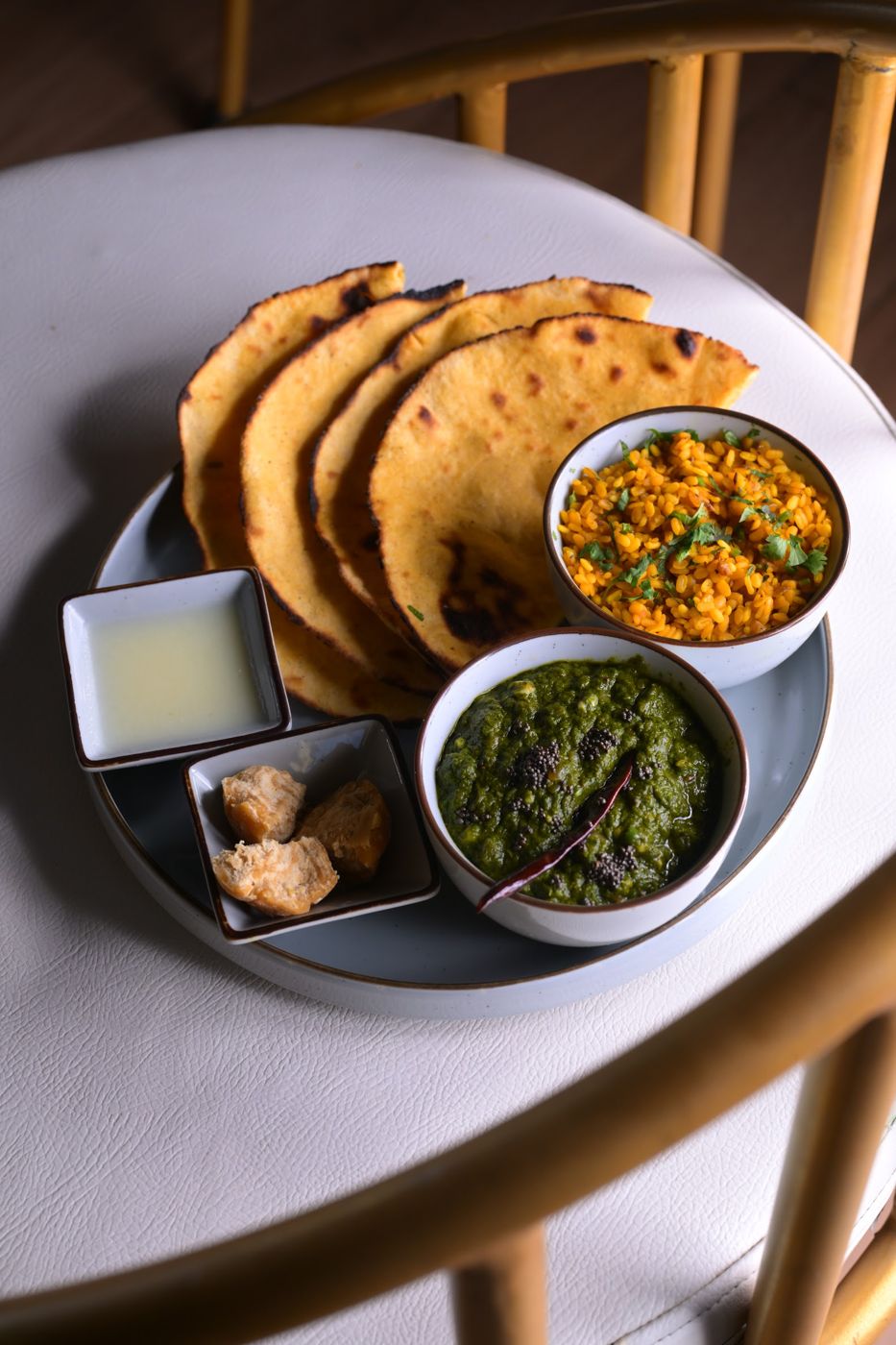
North Indian thali at Nouba, C-Scheme.
North Indian food is the most familiar cuisine in Jaipur and, oddly, the one most often cooked carelessly. Everyone knows what dal makhani is meant to taste like, which is exactly why a shortcut version is so obvious. This is about what separates North Indian cooking done properly from the version that arrives in fifteen minutes everywhere.
Time is the ingredient people skip
Dal makhani is the clearest example. Done properly, the lentils are cooked slowly over many hours, which is what produces the thick, glossy texture and the deep flavour that does not come from cream alone. An eight hour cook and a forty minute cook use the same ingredients and produce two different dishes.
You can taste it immediately. Slow cooked dal is smooth without being heavy, and the flavour sits at the back of the mouth rather than announcing itself and disappearing. The fast version relies on butter and cream to fill the gap, which is why it feels rich but empty.
The tandoor is not a garnish
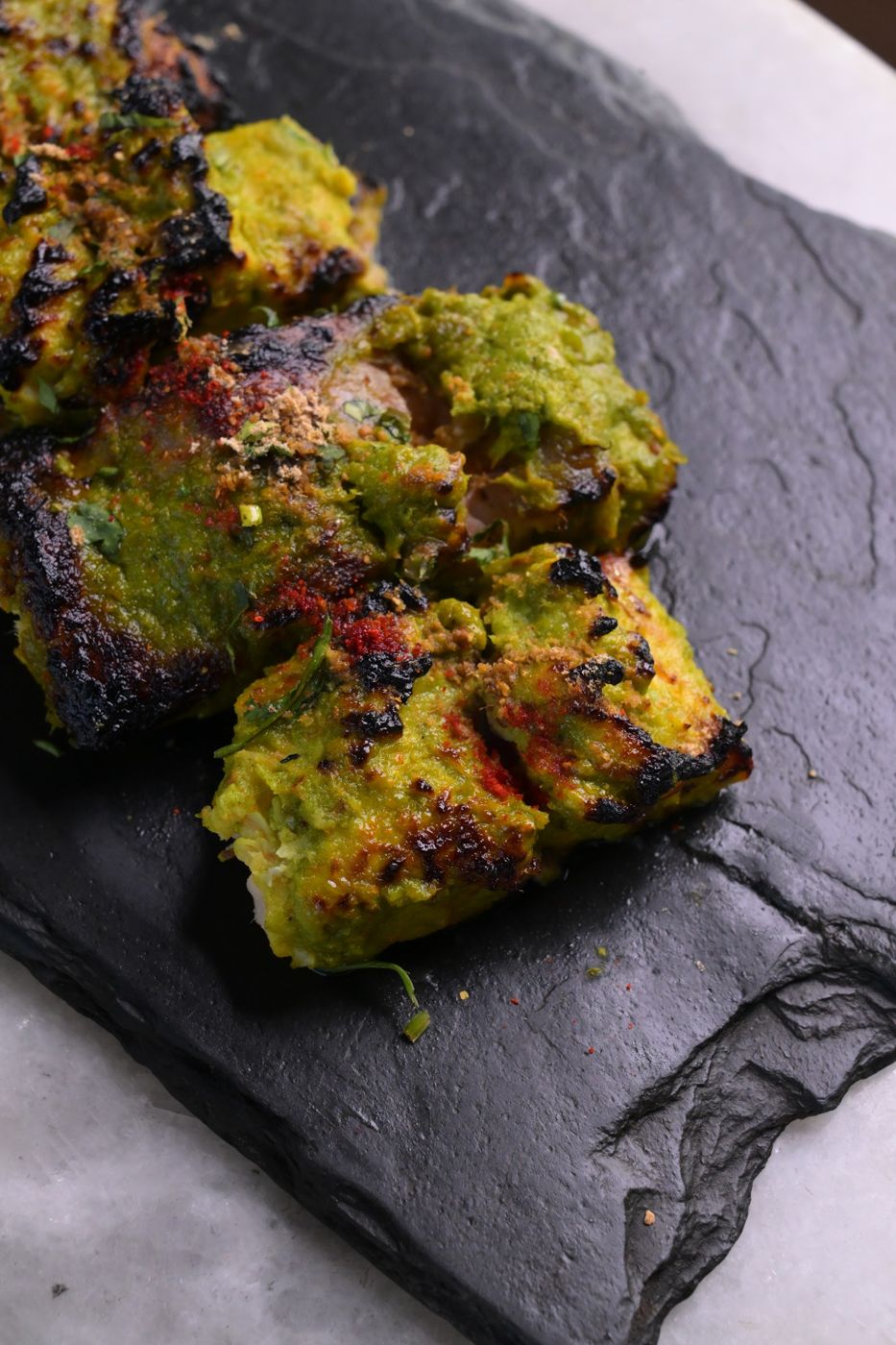
A real tandoor runs extremely hot, and that heat does something a pan cannot. It sears the outside of a kebab quickly enough that the inside stays moist, and it produces char rather than browning. Char is a flavour in its own right.
Malai chicken tikka is a good test. It is a mild marinade, cream and cheese based, with nowhere to hide. If the tandoor is not hot enough, the outside dries before the inside cooks and you get something chalky. Done properly it is soft, faintly smoky, and holds together without being tough.
Paneer tikka is the vegetarian equivalent test, and tandoori broccoli is the more interesting one, because broccoli in a tandoor is not traditional and only appears where a kitchen is confident.
Biryani is a construction, not a mixture
Dum biryani is cooked with the rice and the meat layered and sealed so the steam cannot escape. That is what dum means. The rice absorbs the flavour from below while staying separate, grain by grain.
Rice stirred together with a curry and served hot is a rice dish, and it can be a perfectly good one, but it is not biryani. The tell is the top layer. In a real dum biryani the rice at the top is paler and drier than the rice underneath, because it was furthest from the heat.
Kebabs reward patience too
Galouti kebab exists because of an obsession with texture. It is minced so fine and cooked so gently that it is meant to collapse the moment it is picked up. That is difficult, and it is the reason it appears on fewer menus than the sturdier tandoori kebabs.
If a kitchen puts galouti on the menu, it is making a claim about itself. It is worth ordering to see whether the claim holds.
Gravies should not all taste the same
This is the quickest way to judge a North Indian kitchen. Many restaurants run one base gravy and vary it with a handful of spices, which is why the paneer, the chicken and the vegetable dish all taste faintly related.
Order a palak gravy alongside a chicken curry. Palak should taste green and slightly bitter under the cream, not like a chicken curry with spinach stirred in. If the two dishes taste like siblings, you have learned something about the kitchen.
How to order for a table
One tandoori item, one vegetarian and one not
One slow cooked dal
One gravy that is not tomato based, palak is the usual choice
Biryani or breads, rarely both, unless the table is large
That order lets you judge the tandoor, the patience and the range of the kitchen in a single sitting.
Fine dining does not mean fussy
North Indian fine dining is often misunderstood as smaller portions and more garnish. What it should mean is that the slow steps were not skipped and the tandoor was run properly. Presentation is the least interesting part of it.
If you want North Indian cooking treated with that seriousness, look at the fine dine restaurants near me results rather than the quick-service ones. Kitchens that respect one slow technique usually respect the others.
It is worth reading how a restaurant describes its North Indian fine dining, particularly whether cooking times and tandoor technique are mentioned at all.
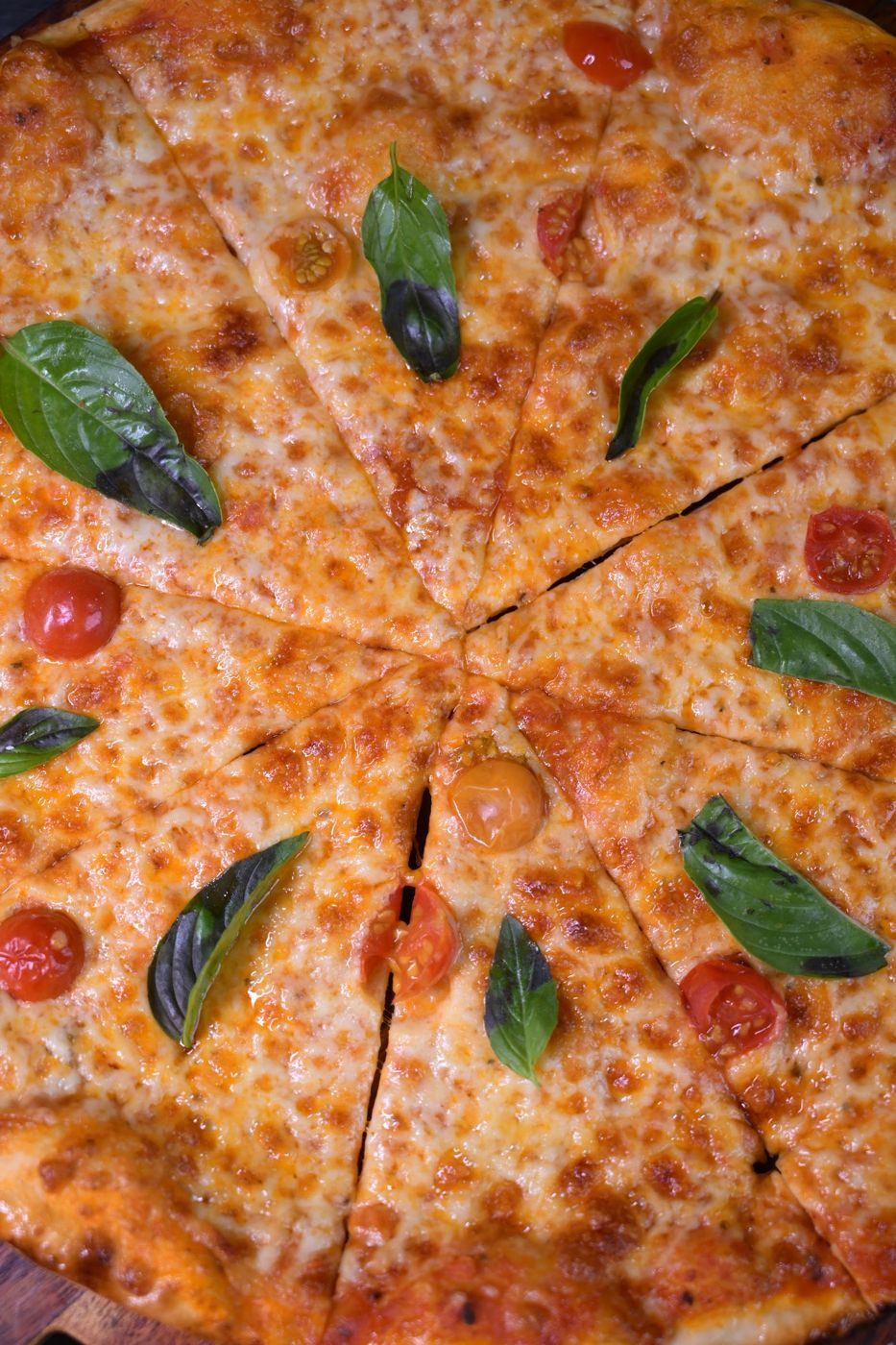
For the other end of the shared table, our guide to what makes a real Neapolitan pizza covers a cuisine built on exactly the opposite principle, ninety seconds instead of eight hours.
Oven temperature, dough discipline and San Marzano tomatoes - what separates genuine Neapolitan pizza from everything else labelled wood-fired, and how to tell at the table.
Count the vegetarian mains, then count how many are paneer. A guide to finding kitchens in Jaipur that treat vegetarian food as cooking, not compliance.
Rooftop tables in C-Scheme fill fast on Friday and Saturday evenings. Message us with your date and group size, and we’ll confirm your table personally within minutes.